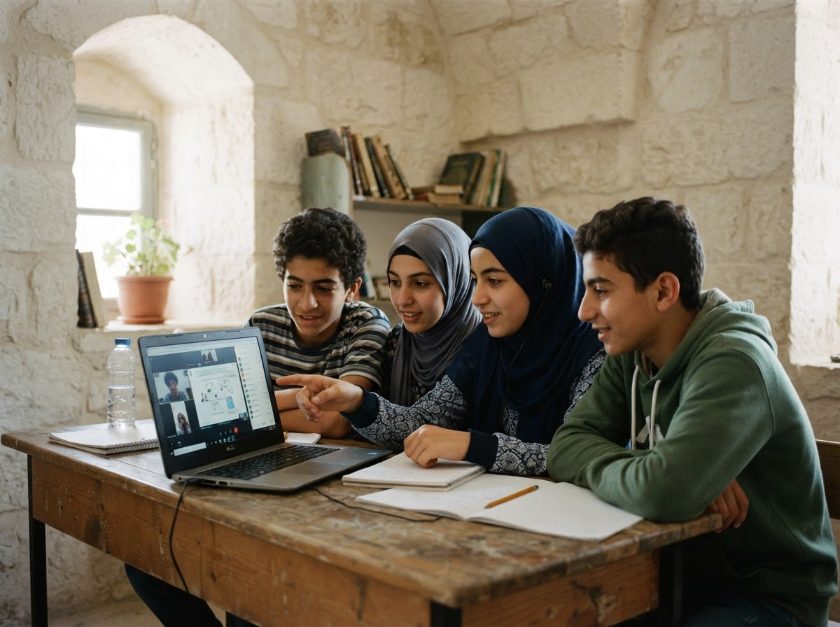
 AI placeholder
Palestine
Designing for access
Initial focusBuilt around limits on movement and connectivity, with digital-first delivery that keeps going through disruption.

Future Horizons International builds the mentorship, future-ready skills and pathways that help young people in conflict-, displacement- and poverty-affected communities shape their futures.
A young person can have the ambition, creativity and ability to succeed, yet lack the mentors, networks, skills and opportunities that turn potential into a future. Conflict, displacement, poverty and broken infrastructure widen that gap.
FHI builds the support around young people that helps their ability turn into action, opportunity and, in time, impact for others.
Each stage builds on the one before it. Graduates come back as mentors and leaders for those who follow.
 AI placeholder
Access to learning, mentors and networks.
Mentorship
Leadership, digital, AI and business skills.
AI and future skills
Moving from learning to taking action.
Entrepreneurship, Demo Day
Links to jobs, further study and new ventures.
Employment and education pathways
Graduates become mentors, leaders and opportunity-creators for others.
Alumni network, cross-country learning
Each programme is designed around the barriers young people actually face where they live.
AI placeholderDesigning for access
Initial focusBuilt around limits on movement and connectivity, with digital-first delivery that keeps going through disruption.
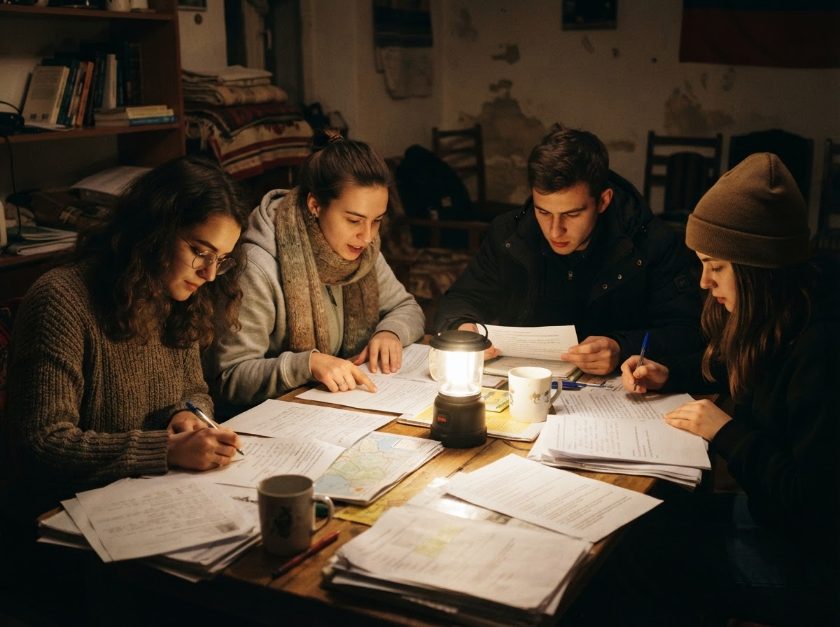 AI placeholder
Designing for disruption
Designed around wartime disruption, displacement, power and internet outages, and the need for learning that works offline.
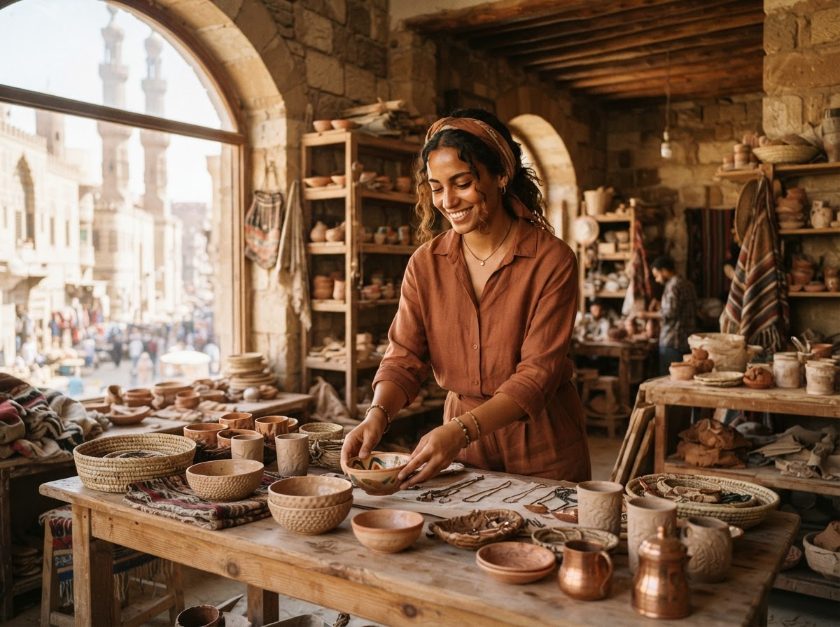 AI placeholder
Designing for opportunity
The main challenge is connecting capable young people to real jobs, livelihoods and business opportunities.
AI For Palestine is the early proof point for FHI’s future-skills model, and the starting point for how we measure results and build employment pathways.
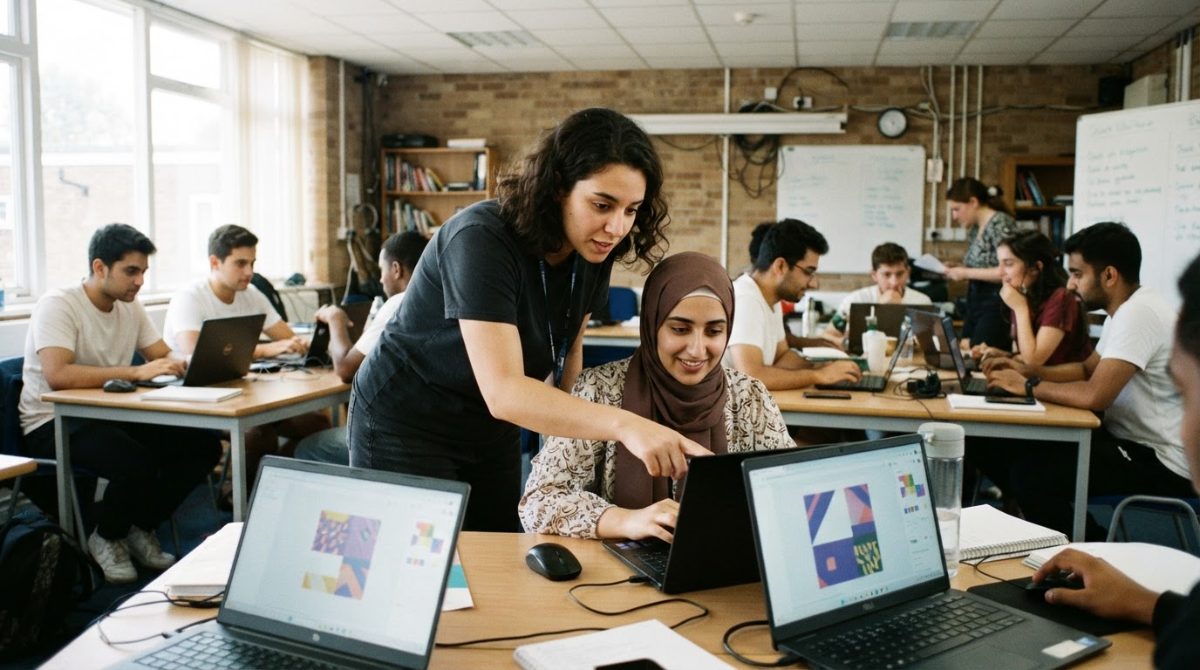 AI placeholder
10,00010,000participants reached
A pre-establishment pilot operated by Al-Nayzak Organisation. These figures describe that pilot, not FHI’s organisational impact.
500500participants to be selected
Designed to test
Being developed. No outcomes have been reported yet.
Taking part is only the beginning. Every cohort is measured against four shared outcomes, and one measure for each country.
Whether young people finish, including through disruption.
What participants can do that they could not do before.
Moves into work, study or a new venture.
Graduates who go on to mentor, hire or lead others.
We will publish what we learn, including where programmes do not perform as expected. Our first public impact report will follow once there is enough cohort data.
We work with local organisations, educators, technology companies, employers, universities, mentors and funders.
Donations and partnership make the model possible. There are other ways to help too.
Your donation supports programme delivery and the organisation behind it. It can go to:
Online giving is being set up. Until it opens, please get in touch and we will arrange your donation directly.
Bring local expertise, networks or delivery capacity, or work with us on curriculum, technology and pathways.
Whether you want to donate, partner, mentor, hire, collaborate or make an introduction, the first step is a conversation with our team.
Our contact address is being finalised and will be published here.
When you get in touch, it helps to tell us: